The honeymoon phase, often misunderstood, is a critical component of the cycle of abuse. Itu2019s the deceptive period following an abusive episode, characterized by apologies, promises, and displays of affection. This phase is designed to lull the victim into a false sense of security, making it harder for them to leave the relationship. Understanding the dynamics of the honeymoon phase is vital for recognizing and escaping abusive relationships. This article will explore the truth about the honeymoon phase, its characteristics, and how it perpetuates the cycle of abuse, providing essential information for those seeking to understand or break free from this pattern.
What is the Honeymoon Phase in Abuse?
The honeymoon phase, in the context of abusive relationships, is a period of relative calm, contrition, and affection that follows an episode of abuse. It is a deceptive and manipulative tactic used by abusers to regain control and maintain the relationship. This phase creates a false sense of hope and normalcy, making it difficult for the victim to leave. During the honeymoon phase, the abuser may shower the victim with apologies, gifts, and promises that the abusive behavior will never happen again. The intensity and duration of this phase can vary, but its presence is a significant indicator of an abusive relationship.
Characteristics of the Honeymoon Phase
Initial Apologies and Promises

Following an abusive incident, the abuser will often offer profuse apologies. These apologies may seem sincere, but they often lack genuine remorse and are aimed at appeasing the victim. Accompanying the apologies are promises that the abusive behavior will never be repeated. The abuser might vow to change their ways, seek therapy, or make amends for their actions. These promises are rarely kept, as the underlying issues that drive the abuse are not addressed, setting the stage for the cycle to repeat.
Increased Affection and Attention
The abuser will often display increased affection and attention during the honeymoon phase. This can involve showering the victim with compliments, expressing love, and spending more time together. They may act overly attentive and supportive, making the victim feel cherished and valued. This sudden shift in behavior can be incredibly confusing for the victim, who might start to believe that the abuser has genuinely changed, or that the abuse was a one-time event. This increased affection serves to strengthen the bond and manipulate the victim into staying in the relationship.
Gifts and Grand Gestures
To further reinforce their apology and demonstrate their supposed change, abusers may offer gifts or engage in grand gestures. These gifts can range from small tokens of affection to extravagant presents or romantic outings. The intent behind these gestures is to create a sense of indebtedness and to distract the victim from the abusive behavior. By focusing on the positive aspects of the relationship, the abuser can manipulate the victim into minimizing the significance of the abuse and overlooking any red flags.
The Deceptive Nature of the Honeymoon Phase

The honeymoon phase is inherently deceptive. It creates a false sense of security and normalcy, masking the underlying pattern of abuse. The abuser uses this period to regain control and manipulate the victim into staying in the relationship. The victim, longing for the loving relationship they once believed they had, may be more inclined to forgive the abuser and believe the promises of change. This deception makes it difficult for victims to recognize the true nature of their relationship and to make a decision to leave.
Why the Honeymoon Phase Happens
The Abuser’s Motivations
The abuser’s primary motivation for the honeymoon phase is to maintain control over the victim. They want to keep the victim invested in the relationship, ensuring they remain under their control. By offering apologies and affection, the abuser aims to diminish the victim’s resolve to leave. The honeymoon phase provides a temporary reprieve from the abuse, making it more difficult for the victim to see the relationship for what it truly is. Other motivations might include a fear of being alone, a desire to maintain a certain image, or a sense of entitlement.
Reinforcement of the Abuse Cycle

The honeymoon phase reinforces the cycle of abuse. The positive reinforcement during this phase teaches the victim that if they endure the abuse, they will eventually be rewarded with affection and attention. This creates a pattern where the victim tolerates the abuse, hoping for the return of the honeymoon phase and the perceived ‘good’ times. As a result, the victim might minimize or excuse the abuser’s behavior, increasing the likelihood that they will remain in the relationship and the cycle will repeat itself.
The Victim’s Perspective during the Honeymoon Phase
Emotional Rollercoaster
The victim experiences a significant emotional rollercoaster during the honeymoon phase. The sudden shift from abuse to affection can create a sense of confusion, hope, and even guilt. Victims may question their own perception of reality, wondering if they overreacted to the abuse or if their partner has truly changed. This emotional volatility makes it difficult for the victim to think clearly and make rational decisions about their relationship.
Hope for Change

During the honeymoon phase, victims often cling to the hope that their partner will change and the abuse will end. They might focus on the positive aspects of the relationship, minimizing the severity and frequency of the abuse. This hope can be a powerful force, making it difficult to leave the relationship, even when the abuse is ongoing. The promises and displays of affection fuel this hope, reinforcing the victimu2019s belief that the relationship can be saved.
Distorted Reality
The honeymoon phase can distort a victim’s perception of reality. The abuseru2019s actions and words can create a false narrative, making the victim doubt their own experiences and memories. They might begin to believe that the abuse was their fault, or that they are somehow responsible for their partner’s behavior. This distorted reality makes it more difficult for the victim to recognize the abuse and seek help, perpetuating the cycle of abuse.
The Cycle of Abuse: Honeymoon, Tension, and Explosion
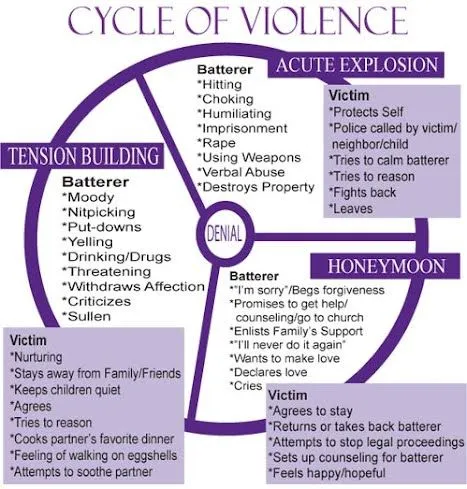
The honeymoon phase is one part of a larger cycle of abuse. This cycle typically consists of three stages: the tension-building phase, the explosion phase (the abusive incident), and the honeymoon phase. Understanding this cycle is crucial for recognizing and escaping abusive relationships.
The Tension Building Phase

The tension-building phase is characterized by increasing conflict, communication breakdown, and emotional stress. Small incidents and arguments may escalate, and the abuser may become increasingly controlling and demanding. The victim often feels like they are walking on eggshells, trying to avoid provoking the abuser. This phase can last for days, weeks, or even months, building tension and preparing the ground for the explosion phase.
The Explosion Phase
The explosion phase is the actual abusive incident. This may involve physical violence, verbal abuse, emotional manipulation, or any other form of abusive behavior. The abuser releases their pent-up anger and frustration during this phase. The severity of the abuse can vary, but the purpose is always to exert power and control over the victim. This phase can range from a single outburst to prolonged periods of abuse.
The Recurrence of the Cycle
After the explosion phase comes the honeymoon phase. The cycle then repeats itself, with the tension building once again, followed by another explosion, and then another honeymoon phase. This repetitive pattern can be incredibly damaging to the victim, eroding their self-esteem, mental health, and sense of reality. Recognizing this cycle is the first step in breaking free from the abuse.
How to Recognize the Honeymoon Phase

Red Flags to Watch Out For
Several red flags can indicate the presence of the honeymoon phase. Be wary of sudden shifts in behavior, where an abuser who was previously angry or withdrawn suddenly becomes overly affectionate and apologetic. Excessive gifts or grand gestures following a period of conflict are also warning signs. Promises of change that seem too good to be true, or an abuser minimizing the abusive behavior, should raise concerns. Recognizing these red flags is critical for identifying and escaping the cycle of abuse.
Early Warning Signs
Be aware of the early warning signs of the honeymoon phase. These can include a rapid return to normalcy after a period of abuse, the abuser attempting to isolate the victim from their support system, and the abuser making demands for forgiveness or for the victim to ‘move on.’ Pay attention to any changes in the abuser’s behavior that seem unnatural or insincere. Trust your gut feelings; if something doesn’t feel right, it probably isn’t.
Seeking Help and Breaking Free
Building a Support System
Building a strong support system is essential for breaking free from an abusive relationship. Reach out to friends, family members, or support groups who can provide emotional support and guidance. Talking about your experiences can help you process your emotions and gain a clearer perspective. Remember, you are not alone, and there are people who care and want to help. Consider creating a safety plan with the help of a domestic violence advocate.
Therapy and Counseling
Therapy and counseling can be invaluable resources for victims of abuse. A therapist can help you process the trauma, develop coping mechanisms, and build self-esteem. They can also provide guidance on how to safely leave an abusive relationship and rebuild your life. Look for a therapist specializing in domestic violence or trauma. Consider individual therapy, group therapy, or couples therapy if the abuser is willing and actively participating in their own healing journey.
Safety Planning
Create a safety plan to ensure your well-being. This involves identifying safe places to go, packing essential items, and having a plan for escaping the abusive situation. Make copies of important documents, and keep them in a safe place. Inform trusted friends or family members about your plan. Have a phone with emergency contacts readily available. The National Domestic Violence Hotline and local resources can provide guidance on how to create a safety plan.
Resources and Support
Several resources are available to help victims of abuse. The National Domestic Violence Hotline (1-800-799-SAFE) provides 24/7 support and resources. Local domestic violence shelters and organizations offer safe housing, counseling, and legal assistance. Consider reaching out to these resources to learn more and get assistance. Remember, you have the right to a safe and healthy life, and seeking help is a sign of strength, not weakness.
In conclusion, the honeymoon phase is a dangerous and deceptive part of the cycle of abuse. Understanding its characteristics and motivations is essential for anyone experiencing or affected by domestic violence. By recognizing the red flags, seeking help, and building a support system, victims can break free from the cycle and begin to heal. Remember, you are not alone, and help is available. Prioritize your safety and well-being; you deserve a life free from abuse.